


















cleaning
Clean Oceans Start At Your House (Yes, Really)


You wouldn't expect your kitchen sink to have much to do with Sydney Harbour, right? Turns out it's more connected than you'd think, and one of the easiest ways to cut down on ocean plastic starts right there, while you're rinsing last night's dishes.
This September, we've partnered with Seabin to help pull plastic out of Sydney Harbour. If you're familiar with who Seabin are and what they do, they're basically 'bins' that bob about on the surface of the ocean, collecting rubbish. We love that they're also a Byron-born business and our missions are very closely aligned.
All the rubbish that's collected is carefully analysed and the numbers are pretty unreal...here's some [VERIFIED] stats to wrap your head around.

What's Actually Coming Out Of The Harbour
Since July 2020, the Seabins in Sydney Harbour have filtered more than 42 billion litres of water for marine litter and microplastics. Out of that, they've removed:
- 31 million+ plastic items
- 18 million+ microplastics
- With microplastics making up 55% of everything collected
That last stat is the one that tends to stop people. Big, visible rubbish gets the headlines, but more than half of what's coming out of the water is tiny.

See The Data For Yourself
Curious what's actually turning up in the harbour? Seabin runs a Live Dashboard that tracks everything captured in real time, down to the exact items and the brands behind them. Can you guess who the biggest polluter of Sydney Harbour might be? The answer surprised us!!
Check out the Seabin Live Dashboard
It's Not Just A Sydney Problem
While our partnership is focused on Sydney Harbour, plastic pollution doesn't stop at the harbour's edge. Across Australia, an estimated 1.8 million tonnes of plastic waste is sent to landfill, burned or lost to the environment every year, with around 30,000 tonnes of that being microplastics that end up in our waterways, from the Yarra in Melbourne to the Brisbane River and the waterways of Perth. Less than 13% of plastic waste in Australia is recycled, and soft plastics fare even worse, with 98% never making it back into circulation.
Sydney Harbour is where our donation is making a measurable difference, but it's a stand-in for what's happening in waterways in every state and territory.
Our Contribution, Made Possible By You
With support from the Seed & Sprout community, our part of that effort funds:
- 18.7 million litres of water filtered
- 10,000 plastic items captured and removed
- 5,400 microplastics captured and removed
But the thing that we love talking about is that stopping it AT THE SOURCE is the best solution. We're always banging on about small swaps you can make. Things like choosing a dish soap bar over a bottle, or a compostable sponge over one that sheds plastic every time it touches a pan. Small swaps, big harbour. It doesn't have to be dramatic to count.

So How Does Your Kitchen Sink Fit In?
Here's the bit nobody tells you: a lot of ocean plastic never actually comes from the ocean. It comes from kitchens. Sponges that shed microplastic with every scrub. Dish liquid bottles that get used once and binned. Cleaning cloths that are really just plastic in disguise.
You don't need to rethink your entire cleaning routine to make a dent. Most of the swaps below happen naturally the next time something wears out and needs replacing anyway.
Start with what touches water most often:
- Swap your plastic sponge for a Compostable Sponge with Scourer. No microplastic shedding, and when it's finally done, it breaks down instead of hanging around for centuries.
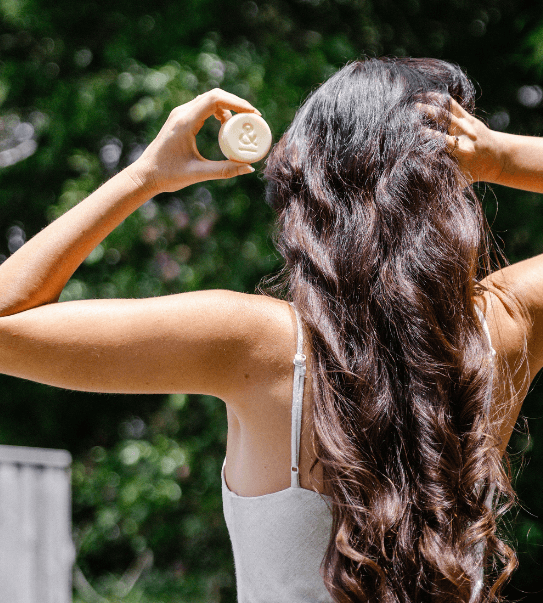
- Trade bottled dish soap for a Dish Soap Bar in Pink Grapefruit or Lemon Myrtle. Zero nasties, no bottle, and it smells considerably better than most dishwashing liquids.
- Replace worn-out dishcloths with Cellulose Sponge Dish Cloths, which can be washed, dried, reused, and eventually composted.
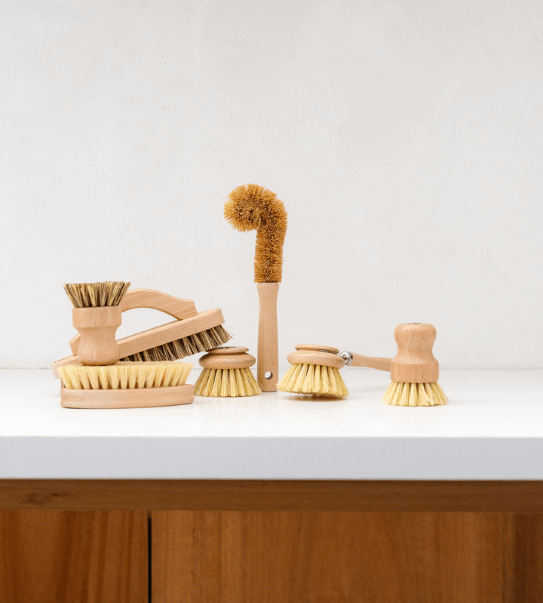
- Bring in a Dish Brush with a replaceable head, so you're not throwing out the whole brush every time the bristles give up.
You don't need to overhaul anything to make these swaps. Just replace what's already on its way out with something better, and you're done - no extra effort, no ongoing thought required.

For The Actual Spring Clean
If you are doing a proper clean-out this season, a few things make it easier:
- The Everyday Cleaning Starter Set covers the basics in one go, so you're not buying five separate things and forgetting one.
- A Dish Brush Set with different bristle strengths handles everything from delicate glassware to the baking tray you've been avoiding.
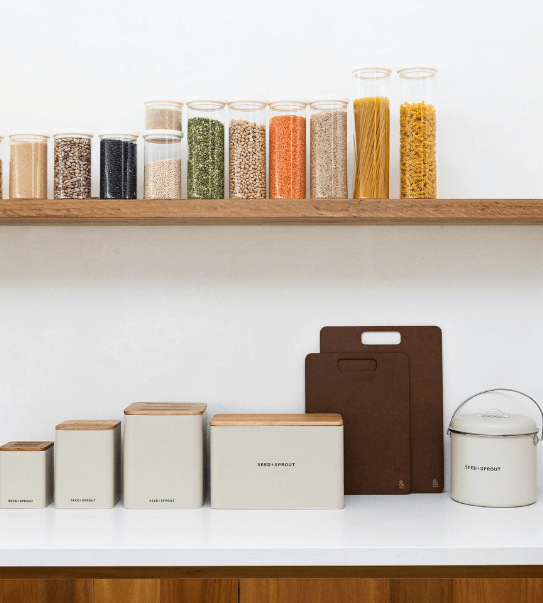
- The Eco Kitchen Pack is worth a look if you're restocking the whole kitchen at once. Buy once, buy well, and all that.
- A Pot Scrubber for the pans that fought back this winter.
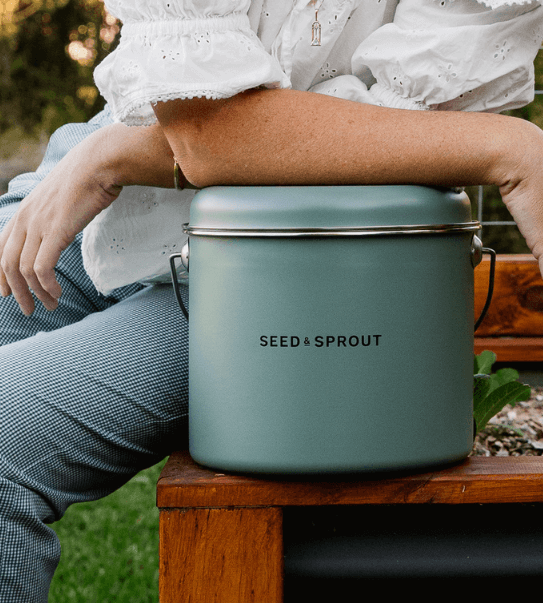
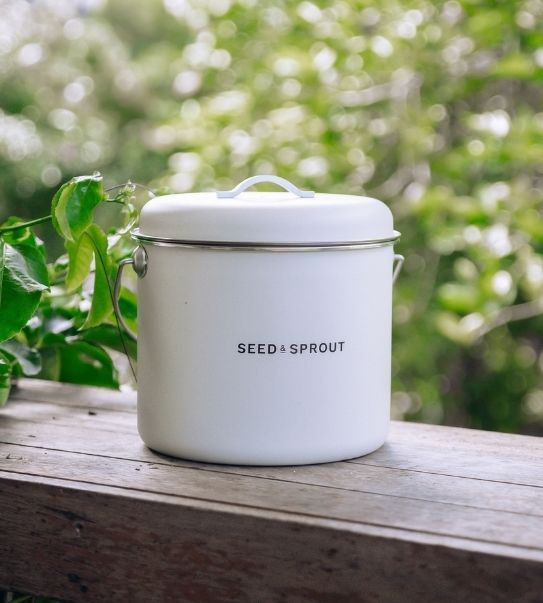
- A Kitchen Compost Bin if food scraps are still ending up in general waste. It sits neatly on the counter and pairs well with everything else on this list.

It All Adds Up
You don't need to become an ocean plastic expert to make a difference here. You just need a sink set up with things that don't shed plastic every time you use them.
Every dish soap bar bought, every sponge that composts instead of clogging a landfill, adds up to real, measurable litres filtered and plastic pulled out of the harbour. It's not nothing. It's actually quite a lot, especially if you multiplied that across a lot of kitchens.

Want To See The Full Picture?
Numbers on a blog post are one thing - watching it happen in real time is another. Seabin's Live Dashboard is updated daily and shows exactly what's being pulled out of Sydney Harbour, right down to individual items and the brands they came from. It's where the "top 10 brands found polluting Sydney Harbour" list lives, along with a full breakdown of microplastics, soft plastics and everything in between.
If you want to see the real, ongoing impact of this partnership (and maybe spot a few surprising brands along the way), it's worth a look.
Explore The Seabin Live Dashboard →