




















Education
How to Build a Freezer Pantry: A Beginner's Guide to Easy Meal Prep


If the idea of a freezer pantry sounds like something other, more organised people have already figured out, you're in good company. Most of us started exactly where you are now, a freezer full of mismatched containers, a couple of sad ice cube trays, and good intentions. Building a freezer pantry isn't about overhauling your kitchen overnight. It's a slow, steady habit. A few extra portions here, a labelled container there, until one day you open the freezer and realise dinner is mostly sorted. This guide walks you through it from the very beginning, no fancy system required.
If you'd like a head start, grab our free Ultimate Freezer Tray Guide below, it covers all the basics in one easy download.

What Is a Freezer Pantry, Exactly?
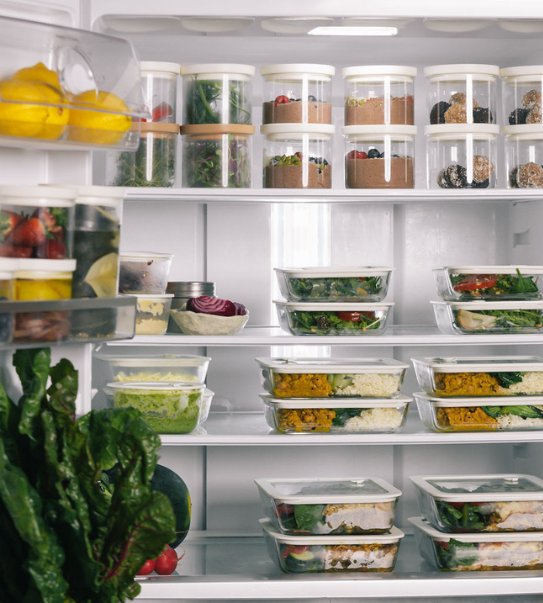
Think of a freezer pantry as an extension of the shelf in your kitchen, just colder. It's a stash of meals, sauces, stocks and staples that you've portioned and stored ahead of time, ready to pull out on a night when cooking from scratch feels like one task too many.
You don't need a chest freezer in the garage or a spreadsheet to track it all. A shelf or two in the freezer you already have, used with a bit of intention, is genuinely enough to get started.

Why Bother Building One?
You don't need to be a meal prep enthusiast for a freezer pantry to make a real difference to your week.
Save time on busy nights. Having a few meals ready to go means dinner doesn't have to start from zero every single time.
Make the most of what you already have. Freezing leftovers and the odd ends of ingredients is a simple way to waste less, without much extra thought going into it.
Eat well without overthinking it. When something's already prepped, it's a lot easier to reach for it instead of ordering in.
Spend a little less. Cooking in batches and pulling from the freezer tends to mean fewer last-minute trips to the shops.

How to Start a Freezer Pantry From Scratch
This is the part that trips most people up, not because it's hard, but because it's easy to overthink. Here's where to begin if you've got no system at all.
- Start with one meal, not ten. Pick something you already cook often, a soup, a bolognese, a curry, and simply double the batch next time you make it.
- Clear a small space. You don't need to reorganise the whole freezer. One shelf or one drawer is plenty to begin with.
- Portion before you freeze. Decide whether you're freezing for one person or a family of four, then split meals into those portions before they go in. A freezer tray is handy here, since it lets you portion soups, sauces and purées into even amounts without dirtying a dozen separate containers.
- Label everything. A chalk pen on the lid or container is all it takes. Write the name and the date. Future you will be grateful.
- Build slowly. Add a new meal or staple every week or two rather than trying to fill the whole freezer at once. Progress over perfection wins here, every time.

Choosing Storage That Actually Makes Your Freezer Pantry Work
How you store things matters almost as much as what you store. Loose bags and odd containers can turn a freezer into a guessing game pretty quickly.
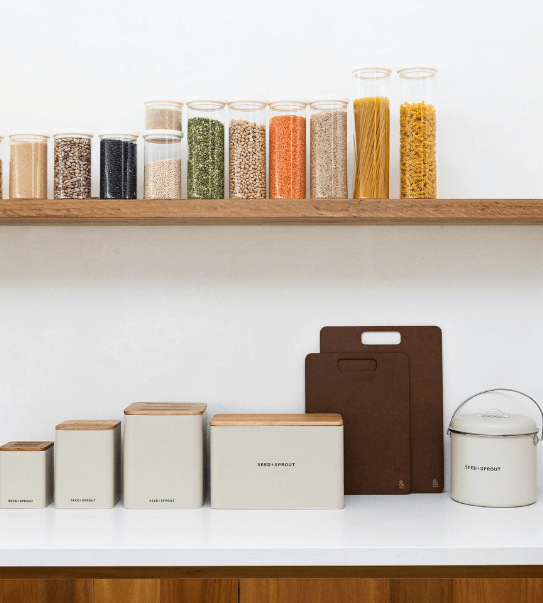
Portioned trays, like our Freezer Trays, let you freeze in single servings, then pop them out and transfer into a container once solid, so nothing takes up more space than it needs to. Glass containers are worth having too, since you can see exactly what's inside without digging around, and they're designed to be reused for years rather than tossed after one trip through the freezer.
If you're freezing liquid, like stock or a sauce, leave a little room at the top of the container. Liquid expands as it freezes, so a bit of breathing room goes a long way.

What to Freeze (and What's Better Left Out)
Some foods take to freezing far more easily than others.
Freeze well:
- Soups and stews
- Sauces and pastes
- Cooked grains and legumes
- Smoothie cubes
- Baby food and purées
Freeze with a little care: dairy-heavy dishes and soft fruit can change in texture slightly, but they're still perfectly fine to cook with later.
Best left out: high-water vegetables like lettuce and cucumber tend to go limp and watery once thawed, so they're better used fresh.

A Simple Routine to Keep Your Freezer Pantry Running
A freezer pantry only works if it keeps moving. The routine doesn't need to be complicated:
- Cook a little extra whenever you're already in the kitchen
- Use what's stored before adding more
- Replace as you go, rather than in one big batch
Keeping older items near the front is a small habit that saves a lot of forgotten, freezer-burnt mystery containers down the track.
A Few Common Freezer Pantry Mistakes Worth Avoiding
- Freezing in containers too big for one meal. You'll end up thawing more than you actually need.
- Skipping the label. Even confident cooks end up playing freezer roulette without one.
- Filling the whole freezer in one weekend. It's harder to keep track of, and harder to keep up.
- Freezing in solid blocks instead of portions. A frozen brick of soup is much harder to work with than a few neat servings.

Recipes to Get You Started (Download our guide above!)
If you’re new to freezer meal prep, start with recipes you already enjoy:
- Smoothie cubes
- Pasta sauces
- Soup bases
- Simple purées
These can be portioned into freezer trays, then stored or transferred into glass containers, ready to use whenever you need them.

Making the Most of Your Freezer Pantry
A freezer pantry isn't about being the most organised person in the group chat. It's a handful of small habits that quietly take the pressure off a busy Tuesday night. Start with one meal, choose storage that's built to last, and let the rest come together slowly, on your own timeline.
If you're ready to set one up properly, our freezer storage containers are designed for exactly this: portioning, freezing and storing meals that are meant to be used again and again, not thrown out after one round in the freezer.
Updated 17/06/26